
A Palette of Cultural Vibrancy by Caitlin Ott
May 16th, 2026
The city of Sao Paulo at first glance can appear to be just like any other city of endless rows of concrete skyscrapers and milling crowds. However it is truly a center of rich cultural expression in countless forms. From taste to sight a day in the city reveals to you through all senses a place brimming with expressions of a complex cultural makeup.

Through taste one is able to appreciate the many cultural influences that came together to create this delicious cuisine. Acai is a staple of this cuisine and started our day of exploring with a nutrient dense and satisfying treat. Its natural energy boosting qualities and rich makeup of antioxidants has made it an extremely important part of native Brazilian foods for centuries. Native to the Amazon rainforest, the fruit has long been a significant part of Brazilian food culture, with its significance spanning from Indigenous communities to modern fitness trends. Later in the day after much exploring we came across another delicacy that once again shows the complex cultural makeup of Brazilian history. Pão de queijo, a delectable little ball of cheese and a cassava based bread, is something that only came into existence because of the three main cultural influences behind Brazil. The use of the cassava byproduct and tapioca flour is directly tied to indigenous roots while the concept of baking the byproduct into the earliest form of the dish is tied to enslaved African plantation workers. And finally the later edition of cheese, milk and eggs is a representation of European influence. The tastes of the city are an incredible roadmap to the complexity of Brazilian culture.
The sights of the city are yet another way to help one contextualize the nuances of Brazilian culture. During our exploration of the city we came across the Bienal Pavilion in Ibirapuera Park which was hosting a market featuring artisans from the twenty-six states of Brazil. There we were able to explore a mini representation of the country as a whole and the many unique art forms from its vast geography. The sights included hand made lace clothing, pottery, Capim Dourado (Golden Grass) creations and countless other forms of craftsmanship. Here we were able to experience multiple forms of cultural expression but this time through sight and touch. The vibrant golden color of the Capim Dourado baskets, earrings and many other items grab your attention and express the beauty that lies within them. They are not made with expensive golden material but were a practical invention that just happened to carry the natural beauty of the countryside. The feel of the smooth stalks and incredible lightness of the items once again draw to mind the importance that natural and organic materials hold within this rich culture. Despite the market's location within the bustling heart of the city it was impossible to walk away from it without understanding that nature is at the very heart of the culture.
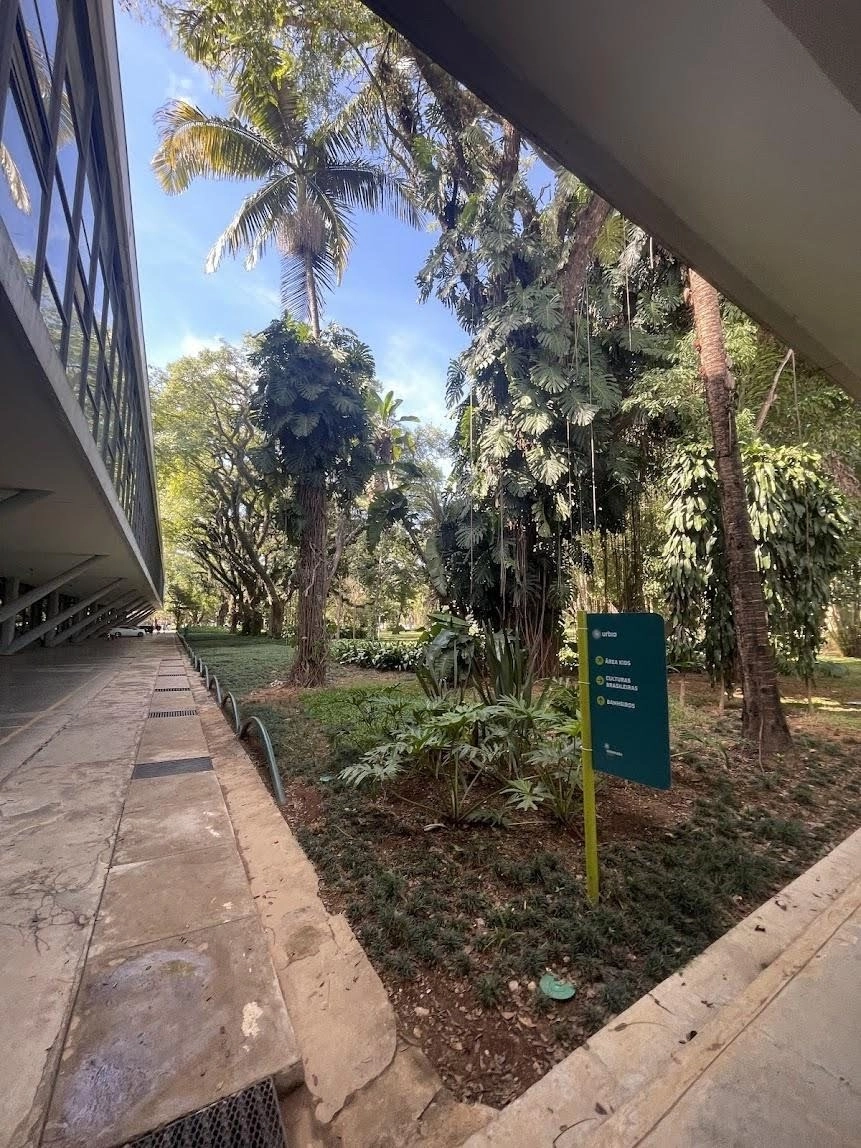
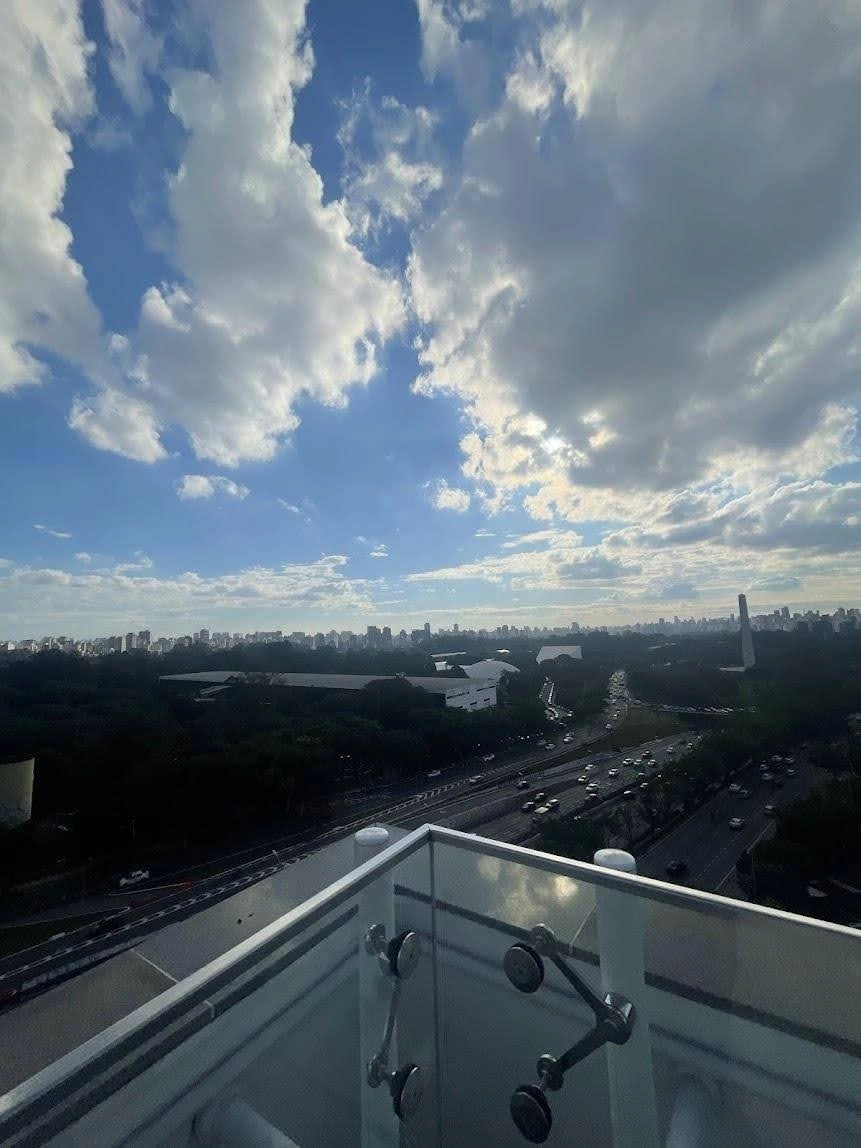
Later in our adventure through the city we were able to be fully immersed in the fine arts by visiting an art museum. There we were able to see encapsulations of the very complex nature of Brazilian art. The Museum of Contemporary Art, nestled within the park, could not have been a greater contrast to its green surroundings. The starkness of the architecture and silence within the building was completely unparalleled to the bustling liveliness of the park outside and immediately prepared the senses for a powerful experience. The art within continued this venture with many contemporary pieces testing the boundaries of their forms. The rooftop view from the top of the museum once again showed us just how special the place we were in really was. We were standing on top of a stark white building full of avant garde masterpieces with a lush green park surrounding its base full of people enjoying the sunshine while at its boundaries lie skyscrapers and the concrete jungle further than the eye can see. This contrast of sights and sounds is an image that encapsulates the culture as a whole. There are numerous elements that come from vastly different backgrounds and by many standards shouldn't fit together. And yet they don't just fit together, they complete each other and come to create something completely new and beautiful that couldn’t have existed without the influence of one another. The park wouldn't be so green and vibrant without the grey background of the city. The museum wouldn’t be so quiet and stilling to the mind without the bustle and brightness of the park. Brazilian culture would not be the same layered beauty without any one of its many influences.
About the author
Roberts Wesleyan University
As a community of learners committed to historic Christianity, Roberts Wesleyan University seeks to prepare thoughtful, spiritually mature, service-oriented people who will help transform society.
We are a private Christian university in Rochester, New York, offering over 80 undergraduate and graduate programs.
As the only NCAA Division II institution in the region and member of the East Coast Conference, Roberts is committed to academic excellence, spiritual formation, and competitive athletics.